 Skip to content






Pressure Points for Anxiety: How to Release Tension and Calm Your Nervous System
Key Takeaways
- The evidence is modest but real. Reviews of randomized trials find that acupressure reduces anxiety scores compared to sham pressure, though study quality varies.
- It works through the body, not magic. Firm pressure and slow breathing shift the nervous system from fight-or-flight toward rest, which is measurable in heart rate and muscle tone.
- Five points cover most needs. A few well-known spots on the hand, wrist, chest, and forehead can be used anywhere without equipment.
- Pair it with grounding. Pressure plus sensory focus works better than either alone, especially during a spike of panic.
- It is a tool, not a treatment plan. For anxiety that disrupts sleep, work, or relationships, these techniques support therapy; they do not replace it.
The meeting is in ten minutes, the chest is tight, and there is nowhere to go. Deep breathing feels impossible because the breath is exactly what is stuck. What is available is two hands and a minute.
Pressure points for anxiety exist for that minute. They are not a cure and they are not mystical; they are a way of using touch to interrupt a stress response that has outrun the situation. Here is what the research supports, how the techniques work, and how to fold them into a broader plan.
What Are Pressure Points for Anxiety Relief?
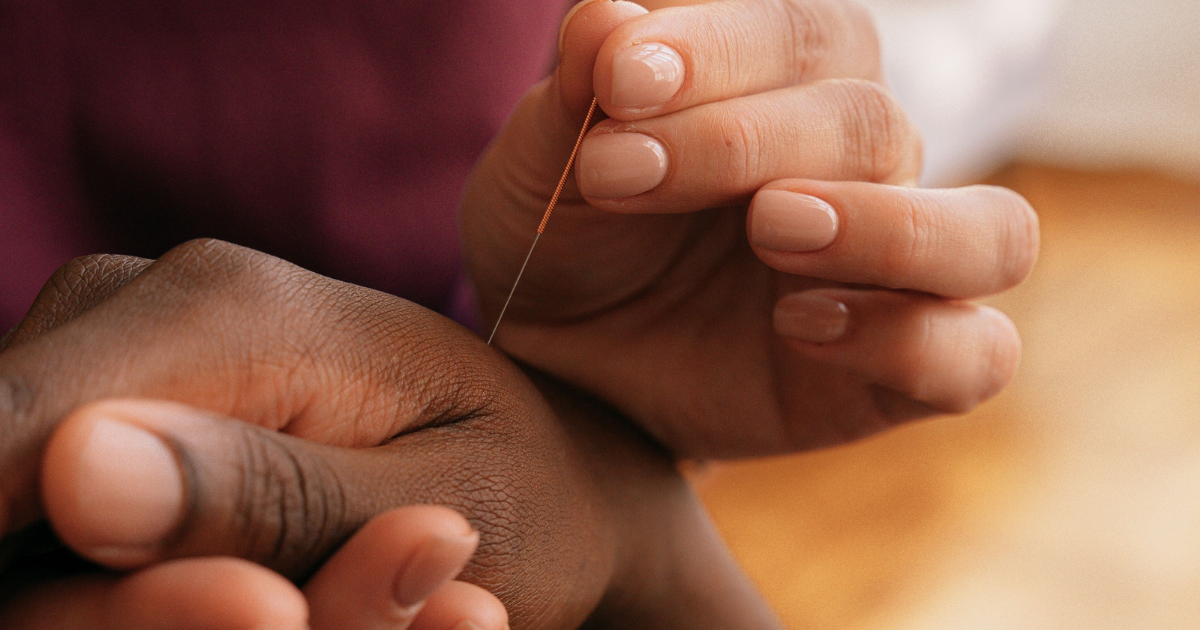
Acupressure points are specific locations on the body, drawn from traditional Chinese medicine, where firm, sustained pressure is applied with a finger or thumb. Acupuncture uses the same points with needles; acupressure uses hands, which makes it something a person can do to themselves at a desk or in a parked car.
The National Center for Complementary and Integrative Health reports limited evidence that acupuncture may reduce anxiety symptoms, with overall study quality low, and notes some evidence for acupoint tapping, in which a person taps acupressure points while repeating a phrase. A 2024 meta-analysis of randomized trials comparing acupressure with sham pressure found meaningful reductions in anxiety, while acknowledging that the studies differed widely in points used and duration.
How Acupressure Points Activate Your Nervous System
The most defensible explanation is neurological rather than energetic. Firm pressure on the skin activates touch receptors that signal the brain through pathways that compete with pain and threat signals. Slow, deliberate attention to one spot pulls focus away from anxious thought. Holding a point for a minute forces a pause and usually slows the breath. Each of these nudges the autonomic nervous system toward its parasympathetic, rest-and-digest mode, and the effects stack.
The Science Behind Trigger Point Therapy and Stress Management
Trigger point therapy is a related but distinct practice from Western physical therapy. A trigger point is a tight, tender knot in a muscle that refers pain elsewhere; releasing it with sustained pressure relaxes the surrounding tissue. Anxious people carry these in predictable places – the upper trapezius, the jaw, the base of the skull – and releasing them is a form of stress management that works from the muscle inward.
Why Body Tension Holds Onto Anxiety
The stress response prepares muscles for action by tightening them. When no action follows, the tension stays, and the brain reads it as evidence that danger persists. Tight shoulders signal threat; the threat signal keeps the shoulders tight. This loop is why people can feel anxious with no anxious thought in mind, and why body tension release can lower anxiety without addressing a single worry directly.
The Connection Between Physical Release and Mental Calm
Muscle relaxation feeds back to the brain through the same nerves that carry tension signals up. Progressive muscle relaxation, a well-studied anxiety treatment, works on this principle. Pressure on a tight spot achieves something similar faster: the muscle lets go, the feedback changes, and the sense of threat eases a notch. It is a small change, and in the middle of a spike, small changes are what is available.
Essential Acupressure Points for Immediate Anxiety Relief
| Point | Location | How to Use It |
| Hall of Impression | Between the eyebrows, at the bridge of the nose | Press gently with one finger for 60 seconds while breathing slowly |
| Union Valley | Web of the hand between thumb and index finger | Squeeze firmly with the opposite thumb for 30 to 60 seconds; avoid during pregnancy |
| Inner Gate | Three finger-widths below the wrist crease, between the tendons | Press with the thumb for 1 to 2 minutes; helpful for nausea with anxiety |
| Spirit Gate | Wrist crease on the pinky side | Light circular pressure for one minute |
| Sea of Tranquility | Center of the breastbone | Rest fingertips and press gently while exhaling slowly |
Grounding Methods That Work With Pressure Point Activation
Grounding methods bring attention out of the anxious future and into the present moment through the senses. The most familiar is the 5-4-3-2-1 exercise: name five things you can see, four you can touch, three you can hear, two you can smell, one you can taste. Others include cold water on the wrists, feeling both feet on the floor, or describing the room aloud in detail.
Combining Sensory Techniques With Physical Release
Pressure and grounding combine naturally because pressure is itself a sensory anchor. A practical sequence during a spike:
- Press Union Valley on one hand and name five things you can see
- Switch hands and name four things you can feel, including the pressure itself
- Move to Inner Gate and take three slow exhales, each longer than the inhale
- Rest fingertips on the breastbone and name one thing that is true right now and not threatening
- Repeat once if needed, then return to whatever you were doing
Natural Anxiety Remedies Using Pressure Point Stimulation
Natural anxiety remedies get oversold, and pressure points for anxiety are no exception. What the evidence supports is a modest, reliable reduction in state anxiety – the anxiety of this moment – not a cure for an anxiety disorder. Used daily, the techniques train the nervous system to downshift more easily, which has value. Used instead of treatment for panic disorder or generalized anxiety, they are a delay. NCCIH’s summary is the right frame: some evidence, more research needed, generally safe.
Nervous System Regulation Through Targeted Tension Release
Nervous system regulation is the goal underlying all of these anxiety relief techniques. A regulated nervous system rises to meet real demands and settles when they pass; a dysregulated one stays elevated, treating a full inbox like a predator. Pressure points, breathing, movement, and sleep all work on the same system from different angles.
Resetting Your Stress Response With Precision Techniques
A short daily routine builds the capacity to reset. One approach that fits into five minutes:
- Two minutes of slow breathing with a longer exhale, hand resting on the breastbone
- One minute of pressure on Inner Gate, each wrist
- One minute releasing the upper trapezius, squeezing the muscle between thumb and fingers
- One minute of stillness, noticing what changed
Getting Professional Support at Mental Health Modesto
If you are reaching for pressure points for anxiety several times a day, or the relief never lasts long enough to matter, the anxiety itself deserves attention. At Mental Health Modesto, clinicians provide evidence-based anxiety treatment including cognitive behavioral therapy, medication management when appropriate, and practical nervous system regulation skills that build on the techniques here. Reach out to Mental Health Modesto to schedule an assessment. If you are in crisis, call or text 988; for chest pain or trouble breathing that does not resolve, call 911.

FAQs
-
Can acupressure points reduce anxiety symptoms faster than traditional stress management alone?
In the moment, often yes; a minute of firm pressure can bring a noticeable drop in tension faster than waiting out a spike. Over weeks, structured approaches such as CBT and regular exercise produce larger and more durable reductions. The two are complementary rather than competing.
-
Which trigger points release tension most effectively for panic attack relief?
The upper trapezius at the top of the shoulders, the jaw muscles, and the suboccipital muscles at the base of the skull are the usual culprits during panic. Releasing them with sustained pressure eases the physical bracing that fuels the attack. Union Valley and Inner Gate are the acupressure points most people find useful alongside them.
-
How does nervous system regulation through pressure point therapy compare to medication?
They work on different timescales and different problems. Pressure techniques produce small, immediate shifts and carry essentially no risk; medications such as SSRIs produce larger changes over weeks and treat the underlying disorder. Many people use both, with pressure techniques handling the acute moments medication does not cover.
-
What’s the fastest way to calm anxiety using grounding and acupressure combined?
Press Union Valley firmly while slowly naming five things you can see, then switch hands and extend your exhale. The pressure anchors attention in the body, the naming anchors it in the room, and the exhale signals safety to the nervous system. Most people feel a shift within one to two minutes.
-
Are natural anxiety remedies with body tension release safe for daily use?
Yes, for nearly everyone. Firm pressure on the points described is safe daily, with the caution that Union Valley is traditionally avoided during pregnancy and that no point should be pressed hard enough to bruise. People with blood clotting disorders, recent injuries, or implanted devices should check with a clinician first.
References
- National Center for Complementary and Integrative Health. (2024). Anxiety and complementary health approaches. National Institutes of Health. https://www.nccih.nih.gov/health/anxiety-and-complementary-health-approaches
- National Library of Medicine. (2024). Acupressure: A possible therapeutic strategy for anxiety related to COVID-19: A meta-analysis of randomized controlled trials. PubMed Central. https://www.ncbi.nlm.nih.gov/pmc/articles/PMC10993250/


