 Skip to content






Key Takeaways
- Fear of throwing up, clinically known as emetophobia, is a specific phobia that triggers intense anxiety, panic, and avoidance far beyond ordinary discomfort.
- Panic attacks and health anxiety often fuel the disorder, training the brain to misread normal stomach sensations as threats.
- Common signs include nausea, anxiety, gag reflex sensitivity, food restriction, and avoiding people, places, or situations linked to vomiting.
- Evidence-based treatment such as cognitive behavioral therapy (CBT) and gradual exposure helps most people reduce symptoms and reclaim daily life.
- Support is available — Mental Health Modesto offers compassionate, professional care for anxiety disorders and phobias of vomiting.
The fear of throwing up affects far more people than most realize, yet it often goes unspoken. For those living with it, a passing wave of nausea or the mere mention of vomiting can spark overwhelming dread. This condition, known as emetophobia, is a recognized anxiety disorder — not a personal weakness or a habit you can simply “get over.” Understanding what drives the fear, how it shows up in the body and mind, and which recovery strategies actually work is the first step toward relief. This guide breaks it all down in plain, supportive terms.
What Causes Fear of Throwing Up
Emetophobia rarely appears without reason. For many people, the phobia of vomiting begins after a distressing experience — a severe bout of stomach flu, food poisoning, vomiting in public, or witnessing someone else be sick. The brain links vomiting with danger and embarrassment, then works overtime to prevent it from ever happening again.
Genetics, temperament, and a history of anxiety also play a role. People who are naturally more anxious, or who already live with an anxiety disorder, are more likely to develop intense stomach fear. Over time, the mind builds strict rules and rituals aimed at staying “safe,” which quietly reinforce the fear rather than easing it.
The Role of Panic Attacks in Emetophobia Development
Panic attacks and emetophobia often feed each other. When nausea strikes, the body’s fear center — the amygdala — can misread it as a genuine emergency, flooding the system with adrenaline. That surge produces a racing heart, sweating, trembling, and dizziness, which can feel unsettlingly close to being sick.
For someone who fears vomiting, this reaction is deeply distressing. They may begin to fear the panic itself, creating a loop where anxiety triggers physical symptoms, and those symptoms trigger more anxiety. Repeated panic attacks can cement the phobia, teaching the brain that any hint of nausea demands an urgent escape.
How Health Anxiety Intensifies Vomiting Triggers
Health anxiety adds another layer to the fear of throwing up. People with heightened health worries tend to scan their bodies constantly, searching for signs that something is wrong. A rumbling stomach, mild indigestion, or ordinary hunger can be misinterpreted as a warning that vomiting is imminent.
This hypervigilance turns everyday sensations into powerful vomiting triggers. The more attention a person pays to their stomach, the more intense normal sensations feel — and the more convinced they become that illness is near. Reassurance-seeking, symptom-checking, and online searching may bring brief calm but ultimately strengthen the anxiety cycle.
Recognizing Physical and Emotional Symptoms
Emetophobia shows up in both body and mind. Physically, people may notice a rapid heartbeat, sweating, shaking, chest tightness, lightheadedness, and — ironically — an upset or churning stomach. Because anxiety itself can cause nausea, the very sensation a person fears most often appears during moments of high stress.
Emotionally, the condition brings persistent worry, dread of future situations, feelings of helplessness, and a strong urge to escape. Many people also feel embarrassed or isolated, believing others won’t understand. Recognizing these symptoms as part of an anxiety disorder — rather than a true medical emergency — is an important early step toward recovery.
When Nausea Anxiety Becomes Debilitating
For some, nausea anxiety grows until it dictates daily choices. A person may skip meals, avoid restaurants, decline invitations, refuse to travel, or stay close to a bathroom at all times. Children and teens might resist school, while adults may struggle at work or in relationships.
When the fear begins to shrink someone’s world — limiting where they go, what they eat, and who they see — it has crossed into debilitating territory. At this stage, professional support is often essential to interrupt the cycle and restore a sense of freedom and control.
The Connection Between Gag Reflex Sensitivity and Stomach Fear
A heightened gag reflex and stomach fear frequently go hand in hand. Anxiety increases muscle tension throughout the body, including the throat and digestive tract, which can make the gag reflex feel more sensitive than usual. Even brushing teeth, swallowing pills, or eating certain textures may trigger discomfort.
This sensitivity can feed the fear of throwing up, because a strong gag response feels like proof that vomiting is about to happen. In reality, it is usually the body’s stress response at work. Understanding this link helps people separate an anxious reaction from a genuine physical threat, reducing the power the sensation holds.
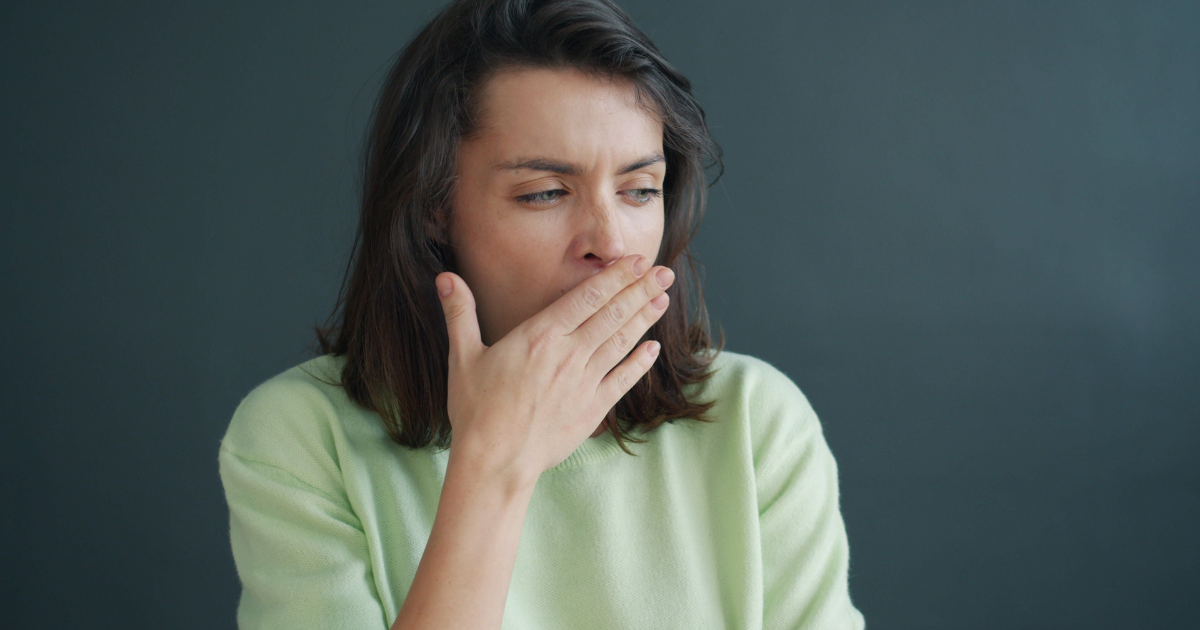
How Anxiety Disorder Fuels Avoidance Behaviors
At its core, emetophobia is maintained by avoidance. To feel safe, people develop elaborate strategies: eating only “safe” foods, over-washing hands, checking expiration dates, avoiding sick people, and steering clear of anything associated with vomiting. Each avoidance offers momentary relief, which the brain interprets as a reward.
The problem is that avoidance teaches the mind the feared situation truly is dangerous. Instead of learning that nausea passes and that vomiting — while unpleasant — is survivable, the person never gets the chance to test that belief. Over time, the list of avoided situations grows, and the anxiety disorder tightens its grip.
Breaking the Cycle of Fear-Based Responses
Breaking free begins with gently reversing avoidance. Cognitive behavioral therapy (CBT) helps people identify the anxious thoughts driving their fear and replace them with more balanced, realistic ones. Gradual exposure — approaching feared situations in small, manageable steps — teaches the nervous system that these triggers are not the threats they seem.
Importantly, effective exposure therapy does not require anyone to make themselves vomit. Instead, it builds tolerance to nausea-related sensations and anxious thoughts at a comfortable pace. With practice, the fear response weakens, and confidence returns.
Practical Nausea Management Techniques That Work
While professional treatment offers the strongest results, several everyday techniques can ease nausea anxiety in the moment:
- Slow, diaphragmatic breathing. Long, gentle exhales calm the nervous system and reduce the physical symptoms that mimic sickness.
- Grounding exercises. Naming what you can see, hear, and touch shifts attention away from stomach sensations and back to the present.
- Riding out the wave. Reminding yourself that nausea and anxiety both peak and pass helps you resist the urge to panic or flee.
- Reducing reassurance-seeking. Gently limiting symptom-checking and online searching lowers hypervigilance over time.
- Steady routines. Regular meals, hydration, and sleep support a calmer stomach and a more resilient mind.
These tools work best alongside guidance from a mental health professional who can tailor them to your needs.
Recovery Strategies and Moving Forward With Mental Health Modesto
Recovery from the fear of throwing up is absolutely possible. In the first randomized controlled trial of CBT for the phobia, half of participants achieved clinically significant improvement, and gains from CBT and gradual exposure are often maintained over the long term. Recovery looks different for everyone, but it generally involves understanding the fear, challenging anxious thoughts, and slowly rebuilding confidence in the body’s ability to cope.
You don’t have to navigate this alone. The compassionate team at Mental Health Modesto specializes in anxiety disorders, phobias, and health anxiety, offering personalized, evidence-based care in a supportive environment. If the fear of vomiting is limiting your life, reach out to Mental Health Modesto today to take the first step toward lasting relief and renewed freedom.
This article is for educational purposes only and is not a substitute for professional diagnosis or treatment. If emetophobia is affecting your daily life, please consult a qualified mental health provider.

FAQs
-
Can stomach fear and gag reflex sensitivity trigger panic attacks simultaneously?
Yes. When stomach fear and a sensitive gag reflex occur together, the brain may interpret them as signs of imminent vomiting. This can trigger a full panic attack, complete with a racing heart, sweating, and dizziness. Learning to recognize these sensations as anxiety — not danger — helps break the connection over time.
-
How does health anxiety create false vomiting triggers in otherwise healthy people?
Health anxiety causes people to monitor their bodies closely, so ordinary sensations like hunger, indigestion, or a rumbling stomach get misread as warning signs. This heightened attention amplifies normal feelings into perceived threats, creating false vomiting triggers even when no illness is present.
-
What nausea management techniques reduce avoidance behaviors linked to emetophobia?
Techniques such as diaphragmatic breathing, grounding exercises, and gradual exposure help people stay in feared situations rather than escaping them. By tolerating nausea-related anxiety instead of avoiding it, the brain learns these moments are survivable, which slowly reduces avoidance behaviors.
-
Does anxiety disorder worsen physical nausea or create purely psychological symptoms?
Both. Anxiety is not “just in your head” — it produces real physical effects. Stress hormones can genuinely upset the stomach and cause nausea, tension, and dizziness. These sensations are physically real, even though they stem from an emotional trigger rather than an illness.
-
How long does recovery from a phobia of vomiting typically take with proper treatment?
Recovery timelines vary from person to person. Adults often improve over a structured course of weekly CBT sessions, while case studies of adolescents and people with additional anxiety conditions describe needing a longer course. Progress also depends on consistency, professional guidance, and steady exposure practice, so some people improve sooner than others.
References
1. Cleveland Clinic. Emetophobia (Fear of Vomiting): Causes, Symptoms & Treatment. my.clevelandclinic.org
2. Riddle-Walker, L., Veale, D., et al. (2016). Cognitive behaviour therapy for specific phobia of vomiting (emetophobia): A pilot randomized controlled trial. Journal of Anxiety Disorders (PubMed). pubmed.ncbi.nlm.nih.gov
3. Kerkeni, A., Abbes, W., & Pons, C.O. (2024). Cognitive behavioral therapy for emetophobia in a 16-year-old adolescent: a case study. Middle East Current Psychiatry (Springer). link.springer.com
4. Kilic, U. S. (2026). Integrating Artificial Intelligence Into Exposure Therapy: A One-Year Follow-Up Case Report of Emetophobia With Comorbid Panic Disorder. Clinical Case Reports (NCBI/PMC). ncbi.nlm.nih.gov


