 Skip to content





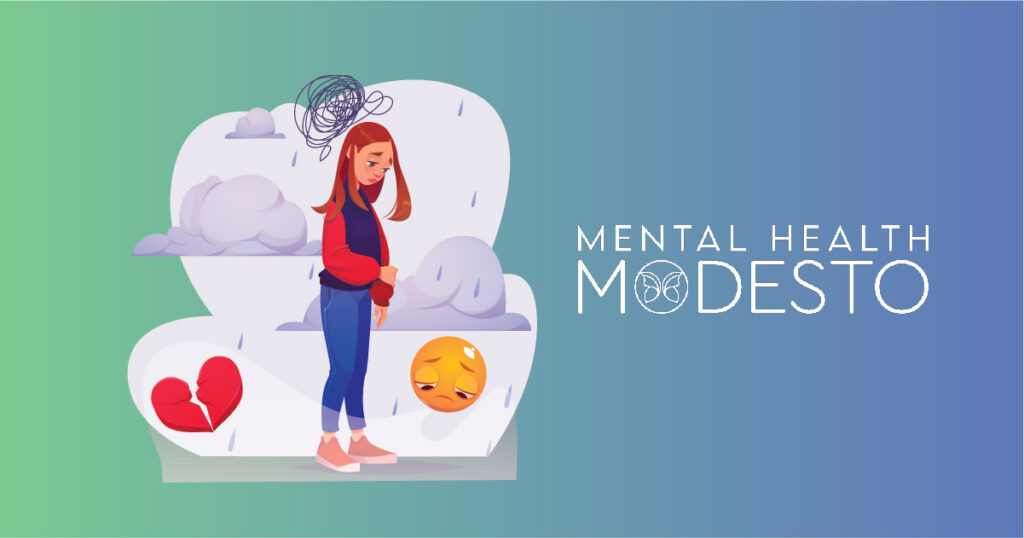
When anxiety or depression takes hold, one of the quietest casualties is your ability to trust your own judgment. Every decision—what to eat, whether to answer a text, if you should speak up in a meeting—becomes a referendum on your competence. The voice in your head shifts from advisor to prosecutor, cataloging every past mistake as evidence that you cannot be trusted with your own life. This erosion of self-trust is not a character flaw; it is a documented symptom of mental health conditions that distort perception and hijack the neural pathways responsible for confident decision-making.
The good news is that self-trust can be rebuilt. While anxiety and depression create cognitive distortions that make doubt feel permanent, evidence-based treatment addresses the root mechanisms that fuel chronic second-guessing. Learning how to trust yourself again is not about positive thinking or willpower—it is about understanding how mental health conditions sabotage your internal compass and using clinical strategies to recalibrate it. Recovery is possible, and it starts with recognizing that your self-doubt is a symptom, not a truth.

Why Anxiety and Depression Make You Doubt Yourself
Anxiety disorders hijack the brain’s threat-detection system, flooding the prefrontal cortex—the region responsible for rational decision-making—with alarm signals that override logic. When your amygdala is in a constant state of hypervigilance, every choice feels like a potential catastrophe. This neurobiological state creates what causes self-doubt at the chemical level: elevated cortisol, changes in brain chemistry, and an overactive fear response that convinces you that your judgment is fundamentally flawed. The brain begins to treat your own thoughts as threats, leading to compulsive reassurance-seeking and an inability to commit to even minor decisions.
Depression adds a different layer of cognitive distortion. The condition rewires how you interpret past experiences, filtering memories through a lens of failure and inadequacy. All-or-nothing thinking tells you that one mistake negates all prior successes. Catastrophizing turns small missteps into proof of incompetence. Over time, this creates a self-fulfilling cycle: you doubt your decisions, hesitate or avoid action, then interpret that hesitation as further evidence that you cannot be trusted.
Signs Your Self-Trust Has Been Damaged by Mental Health Struggles
Decision paralysis is one of the clearest indicators that anxiety or depression has compromised your self-trust. When choosing between two options—both objectively reasonable—triggers hours of rumination, physical tension, or avoidance, the issue is not the decision itself but the underlying belief that you will choose wrong. Overcoming decision paralysis anxiety begins with recognizing that this belief is a symptom, not a fact. This paralysis often extends to areas where you once felt competent: what to order at a restaurant, which route to take to work, and whether to send an email. The inability to trust gut feelings becomes so pervasive that the question of how to trust yourself stops feeling like a skill and starts feeling like an unsolvable mystery. You may defer even personal preferences to others, outsourcing your agency to avoid the discomfort of making a choice.
Signs of low self-esteem rooted in mental health conditions look different than general insecurity. Depression-driven low self-esteem involves a persistent belief that you are fundamentally defective, regardless of external evidence to the contrary. Anxiety-driven low self-esteem centers on the fear that others will discover your incompetence, leading to perfectionism and over-preparation as compensatory strategies. Trauma-based low self-esteem often includes difficulty identifying your own needs or preferences, as though your internal experience is less valid than others’ perceptions. These distinctions clarify whether your self-doubt requires professional intervention.
- Constant need for external validation before making decisions, even about personal preferences or minor choices
- Ruminating for hours or days over decisions that objectively have low stakes or reversible outcomes
- Physical symptoms of anxiety (racing heart, nausea, insomnia) triggered specifically by the act of making a choice
- Persistent belief that past mistakes disqualify you from trusting your judgment in unrelated areas of life
Rebuilding Self-Trust Through Evidence-Based Mental Health Strategies
Cognitive Behavioral Therapy directly targets the thought patterns that destroy self-trust by teaching you to identify and challenge cognitive distortions in real time. When you catch yourself thinking “I always make the wrong choice,” CBT helps you examine the evidence: What percentage of your decisions have actually led to negative outcomes? Are you holding yourself to a standard of perfection that no human could meet? By externalizing these thoughts and testing them against reality, you begin to separate the mental health condition’s narrative from your actual track record.
Dialectical Behavior Therapy offers practical tools for learning to trust your intuition while managing the emotional intensity that anxiety and depression create around decision-making. The “Wise Mind” concept teaches you to balance emotional signals with rational analysis, rather than dismissing gut feelings as unreliable or letting them dictate action without reflection. This process of trusting your gut feelings while managing anxiety requires practice, but DBT provides the structure to make it sustainable rather than overwhelming. Distress tolerance skills help you sit with the discomfort of uncertainty without collapsing into avoidance or impulsive reassurance-seeking. Over time, these skills rebuild the internal scaffolding that allows you to make decisions without spiraling into catastrophic thinking. Medication management can also help regulate the brain chemistry that keeps your threat-detection system in overdrive.
| Therapy Modality | How It Rebuilds Self-Trust | Best For |
|---|---|---|
| Cognitive Behavioral Therapy (CBT) | Challenges distorted thoughts that fuel self-doubt; builds evidence-based self-assessment skills | Anxiety disorders, depression, and chronic rumination |
| Dialectical Behavior Therapy (DBT) | Teaches emotional regulation and distress tolerance to reduce decision paralysis | Emotional dysregulation, borderline traits, intense self-doubt |
| Eye Movement Desensitization and Reprocessing (EMDR) | Reprocesses traumatic memories that created hypervigilance and self-distrust | Trauma, PTSD, trust issues rooted in past invalidation |
| Acceptance and Commitment Therapy (ACT) | Helps you take action aligned with values despite discomfort, reducing avoidance patterns | Chronic avoidance, existential anxiety, values clarification |
When to Seek Professional Help for Self-Doubt
If self-doubt has progressed to the point where you avoid decisions entirely, seek reassurance compulsively, or experience physical symptoms of anxiety when faced with choices, professional intervention is appropriate. Building self-confidence after trauma or chronic mental health conditions often requires more than self-help strategies alone. When self-doubt interferes with your ability to work, maintain relationships, or care for yourself, it has crossed into clinical territory that responds best to evidence-based treatment.
The Timeline for Rebuilding Confidence After Depression
When you’re rebuilding self-trust after depression, it’s essential to recognize that recovery is not a linear process, and timelines vary based on the severity of the condition, the presence of co-occurring disorders, and whether you are engaged in active treatment. Depression’s cognitive distortions do not lift the moment medication takes effect or therapy begins; the neural pathways that reinforced self-doubt over months or years require deliberate rewiring. Therapy provides an external mirror that reflects your actual competence when your internal lens is clouded. Medication can help regulate brain chemistry in ways that make rational self-evaluation possible.
| Stage of Recovery | What Self-Trust Looks Like |
|---|---|
| Early Treatment (Weeks 1-4) | Recognizing that self-doubt is a symptom, not reality, and beginning to externalize distorted thoughts |
| Active Skill-Building (Months 2-4) | Making small decisions without excessive rumination; noticing when anxiety is lying |
| Consolidation (Months 4-8) | Trusting your judgment in moderate-stakes situations; reduced need for external validation |
| Maintenance (8+ Months) | Confident decision-making in most areas; setbacks are temporary rather than evidence of failure |

Trust Fall Forward at Mental Health Modesto
Relearning how to trust yourself after anxiety, depression, or trauma is not a journey you have to navigate alone. The cognitive distortions and neurobiological patterns that fuel chronic self-doubt are well-documented clinical phenomena, and evidence-based treatment provides a roadmap for addressing them at the root. Mental Health Modesto offers comprehensive care that integrates therapy, medication management, and skill-building to help you reclaim confidence in your own judgment. Contact us today to begin rebuilding self-trust through compassionate, evidence-based care.
FAQs
1. Why do I doubt myself so much even when I know I’m capable?
Anxiety and depression create cognitive distortions that filter your self-assessment through a lens of inadequacy, regardless of objective evidence of competence. Your brain’s threat-detection system treats your own judgment as unreliable, generating false evidence that you cannot be trusted with decisions.
2. Can you rebuild self-trust after trauma without therapy?
While self-help strategies can support recovery, trauma often involves deeply ingrained patterns of hypervigilance and invalidation that benefit from professional processing. Therapy provides tools to reprocess traumatic memories and rewire the nervous system’s default responses in ways that self-directed work alone may not fully address.
3. How long does it take to trust yourself again after depression?
Timelines vary based on the severity of depression, co-occurring conditions, and engagement with treatment, but many people notice shifts within weeks to months of consistent intervention. Professional treatment directly addresses the cognitive and neurochemical patterns that sustain self-doubt.
4. What’s the difference between trusting yourself and ignoring red flags?
Trusting yourself involves listening to grounded intuition and making decisions aligned with your values, even when anxiety is present. Ignoring red flags involves dismissing genuine warning signals or avoiding professional help even when symptoms interfere with daily life. Healthy self-trust includes recognizing when you need external support.
5. When does self-doubt mean I need professional help?
Seek professional help when self-doubt interferes with daily functioning, such as decision paralysis that prevents you from meeting responsibilities, constant reassurance-seeking that strains relationships, or thoughts of worthlessness that include suicidal ideation. These are clinical symptoms, not character flaws, and they respond to evidence-based treatment. If you or someone you know is in crisis, call or text 988 to reach the Suicide & Crisis Lifeline, available 24/7.


