 Skip to content





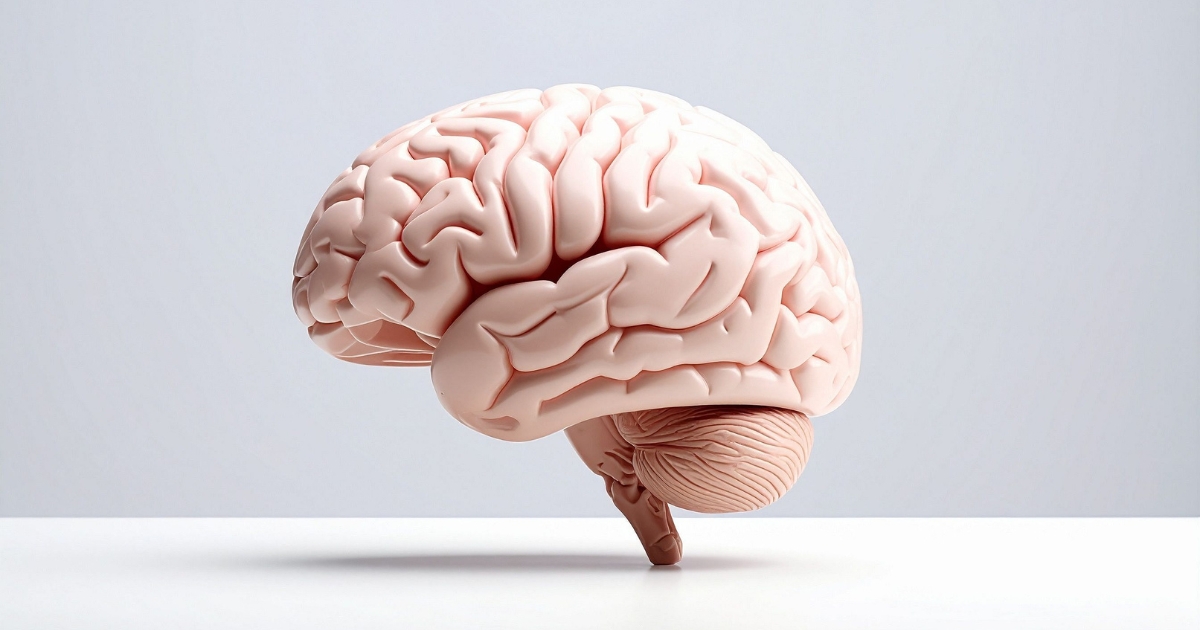
The cerebellum, often called the “little brain,” sits at the base of your skull and accounts for a small fraction of your brain’s volume. While most people associate this structure with physical coordination and balance, emerging research reveals that the function of the cerebellum extends far beyond motor control. This walnut-sized region plays a crucial role in emotional regulation, cognitive processing, and mental health—connections that have profound implications for anyone struggling with mood disorders, addiction, or impulse control challenges.
Understanding how this brain region works helps explain why certain mental health symptoms appear alongside physical coordination problems, and why comprehensive treatment addresses both neurological and psychological well-being. Whether you’re researching symptoms for yourself or a loved one, recognizing the cerebellum’s influence on mental health opens pathways to more effective, integrated care.
The Cerebellum’s Role in Movement and Physical Coordination
The cerebellum’s primary job involves refining voluntary movements initiated by other brain regions. When you reach for a glass of water, your motor cortex sends the initial command. The cerebellum then calculates the precise timing, force, and trajectory needed to execute that movement smoothly—answering the question “How does the cerebellum control movement through real-time sensory integration?” This process illustrates the essential link between cerebellum and motor control—a partnership that allows voluntary movements to become smooth, automatic, and precisely calibrated.
This process explains why the cerebellum and balance are so closely linked. Your cerebellum integrates information from your vestibular system (inner ear balance organs), visual input, and proprioceptive signals (body position awareness) to maintain equilibrium. The same mechanism allows athletes to perform complex motor sequences and enables everyday tasks like typing, driving, or climbing stairs without conscious effort.
The cerebellum achieves movement precision through its unique architecture. Cerebellar neurons form predictive models of movement, learning from repetition to anticipate what comes next. When cerebellar function is optimal, movements flow smoothly with appropriate speed, rhythm, and coordination. Disruption to this system produces the jerky, uncoordinated movements characteristic of cerebellar disorders.
| Movement Component | Cerebellar Role | Result When Impaired |
|---|---|---|
| Timing and Rhythm | Coordinates muscle activation sequences | Irregular, jerky movements |
| Force Calibration | Adjusts muscle strength for task demands | Overshooting or undershooting targets |
| Balance Maintenance | Integrates sensory input to stabilize posture | Swaying, falls, difficulty walking |
| Motor Learning | Stores movement patterns through practice | Inability to automate new skills |
The Cerebellum’s Surprising Role in Emotional Regulation and Cognitive Function
Beyond its well-known motor control role, the function of the cerebellum extends to maintaining extensive connections with areas governing emotion, thought, and social behavior. Neural pathways link the cerebellum to the prefrontal cortex (responsible for executive function and decision-making) and the limbic system (which processes emotions).
Research demonstrates that cerebellum emotional regulation occurs through similar predictive mechanisms used for movement. Just as this structure anticipates physical actions, it also predicts social and emotional outcomes, helping you gauge appropriate responses in different contexts. Dysfunction in this system contributes to impulsive outbursts, difficulty reading social cues, and mood instability.
The cerebellum role in coordination extends to coordinating thoughts and emotions, not just muscles. Studies show cerebellar activation during tasks requiring attention, working memory, language processing, and problem-solving. The connection between the cerebellum and cognitive function becomes especially apparent in individuals with cerebellar lesions, who often struggle with abstract reasoning and mental flexibility alongside their physical symptoms.
- Impulse control and inhibition of inappropriate responses, which become compromised in addiction and behavioral disorders
- Attention regulation and the ability to shift focus between tasks are deficits that mirror ADHD symptoms
- Executive function, including planning, organizing, and sequencing complex behaviors
- Social cognition and the capacity to interpret facial expressions, tone of voice, and interpersonal context
- Emotional timing and intensity, determining the speed and strength of your reactions to emotional stimuli
- Reward processing and prediction—systems involved in motivation, learning, and behavioral regulation
Why is the cerebellum important for mental health? It serves as a bridge between physical sensation, cognitive processing, and emotional experience. When this region functions optimally, you navigate social situations smoothly, regulate emotional responses appropriately, and maintain a stable mood. When it’s compromised, symptoms can include anxiety, depression, emotional lability, poor impulse control, and difficulty with complex decision-making—all concerns that benefit from professional mental health support when they interfere with daily functioning.
What Happens When the Cerebellum Is Damaged or Impaired
What happens when cerebellum is damaged depends on the location and extent of injury, but consequences typically span both physical and psychological domains. The most recognizable physical symptom is ataxia—a loss of coordinated movement that makes walking, reaching, and speaking difficult. People with cerebellar damage often develop intention tremors, balance struggles, and slurred speech.
Cognitive and emotional symptoms can be equally debilitating but often go unrecognized as related to the function of the cerebellum. Cerebellar cognitive affective syndrome describes a cluster of deficits including impaired executive function, difficulty with spatial reasoning, personality changes, and inappropriate emotional responses. Individuals may laugh at serious moments, struggle to plan multi-step tasks, or show flattened affect. These symptoms frequently accompany the physical manifestations but may appear independently, especially in cases of selective cerebellar atrophy.
Assessment and Diagnosis
Clinicians evaluate the function of the cerebellum through physical examination (testing balance, coordination, eye movements, and reflexes) and neuropsychological testing (assessing cognitive and emotional regulation). When cerebellar dysfunction appears alongside mental health symptoms, integrated treatment addressing both neurological and psychiatric components produces the best outcomes.
| Symptom Category | Physical Manifestations | Cognitive/Emotional Manifestations |
|---|---|---|
| Movement Disorders | Ataxia, tremors, loss of fine motor control | Difficulty with mental sequencing and planning |
| Speech Changes | Slurred, scanning, or explosive speech patterns | Word-finding difficulties, reduced verbal fluency |
| Emotional Regulation | Autonomic instability (blood pressure, heart rate) | Mood swings, inappropriate affect, impulsivity |
| Balance and Gait | Wide-based stance, falls, difficulty with stairs | Spatial disorientation, difficulty navigating environments |
| Eye Movement | Nystagmus, difficulty tracking moving objects | Impaired visual attention, reading difficulties |

Finding Your Balance: Integrated Care at Mental Health Modesto
Understanding the function of the cerebellum reveals why effective mental health treatment must address the whole person—brain, body, and behavior together. At Mental Health Modesto, our comprehensive approach recognizes the intricate connections between neurological function and mental well-being. Whether you’re managing mood instability linked to cerebellar dysfunction or addressing coordination and cognitive concerns alongside psychiatric symptoms, our integrated treatment model provides the support you need. Our evidence-based therapies promote neuroplasticity and healing while addressing the full spectrum of neurological and mental health needs. Recovery is possible, and improved function is within reach. Contact us today to learn how our compassionate, expert team can help you or your loved one regain balance, stability, and hope for the future.
FAQs
These common questions address how cerebellar function connects to mental health, recovery, and treatment outcomes.
1. Why is the cerebellum important for balance and coordination?
The cerebellum continuously receives sensory information from your eyes, inner ear, muscles, and joints to calculate your body’s position in space. It then sends corrective signals to your muscles to maintain balance and ensure smooth, coordinated movements. This real-time feedback system allows you to navigate uneven terrain, perform complex motor tasks, and maintain posture without conscious effort.
2. Can damage to the cerebellum affect your mental health?
Yes, cerebellar damage can significantly impact mental health by disrupting emotional regulation, impulse control, and cognitive processing. Research shows the cerebellum connects to brain regions involved in mood, anxiety, and executive function, which is why cerebellar dysfunction often accompanies psychiatric conditions.
3. How does alcohol abuse damage the cerebellum?
Chronic alcohol consumption is associated with cerebellar atrophy, especially in the vermis, a region involved in balance and linked to emotional and cognitive processes. This damage manifests as coordination problems, tremors, mood instability, and impaired judgment that can persist even after stopping drinking. The neurotoxic effects of alcohol preferentially target cerebellar neurons, leading to progressive degeneration that affects both physical and mental health functioning.
4. What are the early signs of cerebellar problems?
Early signs include subtle balance issues, difficulty with fine motor tasks like writing or buttoning clothes, slurred speech, tremors when reaching for objects, and changes in walking pattern. Cognitive symptoms may include difficulty concentrating, planning tasks, or regulating emotions appropriately. A professional evaluation can determine whether cerebellar dysfunction is contributing.
5. Can the cerebellum heal after damage?
The cerebellum demonstrates neuroplasticity and can partially recover with appropriate treatment, especially when damage is caught early. Physical rehabilitation, cognitive therapy, and comprehensive mental health treatment all support the function of the cerebellum and can restore capacity over time. While complete recovery depends on the extent and cause of damage, many individuals experience meaningful improvement with sustained, integrated care.


